Wearable Tech Meets Indoor Cycling: The 2026 Fitness Revolution
Wearable tech is redefining indoor cycling by delivering actionable performance and recovery data, enabling operators to offer smarter, more personalised member experiences.
Wearable tech is redefining indoor cycling by delivering actionable performance and recovery data, enabling operators to offer smarter, more personalised member experiences.
Indoor cycling has evolved from a niche offering into a core revenue driver for modern fitness facilities. As the demand for this exercise continues to rise, operators are leveraging the rising popularity of wearable technology to deliver value and differentiate their offering in a competitive market. Recognised as the number one global fitness trend for 2026 by the American College of Sports Medicine, wearable technology integration represents a strategic opportunity to enhance member engagement and experience, improve retention, and position your facility as an industry leader.
This shift reflects the wider rise of connected fitness ecosystems, AI‑driven training, and data‑enhanced member experiences, all identified as top 2026 fitness innovations.
Today, members are increasingly interested in actionable insights from their training sessions. Many modern fitness consumers expect real‑time performance analytics, recovery insights, and personalised training recommendations, key trends accelerating in 2026 as wearables become more advanced and holistic.

These measurements provide objective, quantifiable effort tracking, enabling users to benchmark progress and maintain consistent training intensity. This form of monitoring ensures optimal efficiency, whilst heart rate zone training allows members to aim for specific targets; whether building aerobic capacity in Zone 2 or pushing their threshold efforts in Zone 4. These metrics transform subjective exercise into measurable performance outcomes.
In 2026, wearables also track advanced biometrics such as blood pressure, skin temperature, VO₂ estimates and oxygen saturation, expanding the depth of cycling‑specific insights users can access. For operators, performance metrics offer more than member feedback, they enable instructors to deliver consistent, structured sessions that align with evidence‑based training methods. This supports safer progression, clearer communication during classes, and stronger perceived value among members.
Sleep quality analytics demonstrate to users the correlation between recovery and performance outcomes. Stress monitoring through heart rate variability helps assess recovery capacity. Recovery readiness scores combine multiple biomarkers to tell you whether to push hard or take it easy, preventing overtraining and burnout.
In a studio environment, these insights help instructors guide members towards appropriate intensity choices. By acknowledging recovery status at the start of a session, facilities can demonstrate a more professional, considered approach to training, strengthening trust and reinforcing your brand as a quality‑led operator.
AI-driven platforms analyse individual member data to deliver personalised training recommendations without requiring additional instructor resources. These systems automatically adjust recommendations based on recovery status. Well-recovered members get pushed harder; fatigued members receive modified sessions. This algorithmic approach results in better member outcomes, fewer injuries, and more efficient use of your instructors’ time.
Integrated leader board systems, structured challenge programmes, and digital achievement frameworks create competitive environments that drive consistent attendance. Virtual ride technology delivers immersive training experiences, from alpine paths to coastal routes, maintaining session variety and member interest. More importantly, they extend your brand beyond your facility walls. Members start competing with friends, sharing achievements, and building community around your business.
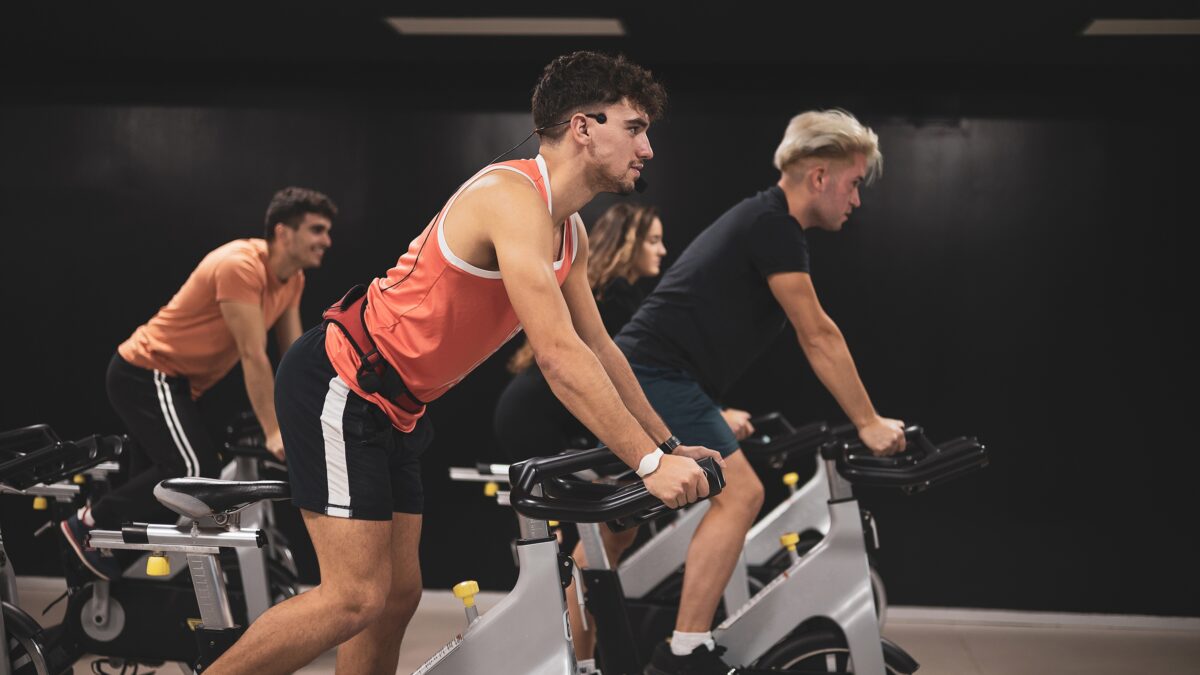
Members who track their performance metrics are more likely to be consistent. When people see concrete evidence of improvement (better recovery, higher power output, stronger cardiovascular markers), they stay committed. Progressive fitness facilities are already integrating wearable data into live classes, displaying real-time metrics and creating community challenges that drive loyalty.
Indoor cycling continues to grow because it delivers results efficiently. Adding wearable technology creates a premium experience that attracts tech-savvy, high-value members and justifies premium pricing. In competitive markets, this differentiation matters.
Future Fit for Business delivers industry-recognised certifications that equip your instructors with the technical competency and deeper knowledge they need to differentiate your business:
Invest in your staff development and establish your facility as a market leader in data-driven fitness programming.