Investing in the Next Generation: Why International Youth Day 2026 Is the Moment to Upskill Your Workforce
Find out how to to make the most of the momentum created by this International Youth Day.
Find out how to to make the most of the momentum created by this International Youth Day.
Wednesday 12th August 2026 marks International Youth Day, and this year’s theme, “Different Contexts, Common Aspirations,” is a timely reminder that every young person, regardless of their background, deserves the opportunity to move, play and thrive.
For operators across leisure, education, sport and community services, this day is a timely prompt to ask a harder question: is your workforce genuinely equipped to deliver safe, engaging, and developmentally appropriate physical activity for children and young people? For many organisations, the honest answer is “not yet.” Future Fit for Business is here to change that.
The United Nations established International Youth Day to raise awareness of the challenges and opportunities facing young people worldwide, and to celebrate their role as partners in building more inclusive, peaceful and sustainable societies. This year’s theme recognises that while young people’s circumstances differ enormously depending on where they live, their core aspirations are strikingly consistent: dignity, opportunity, meaningful participation, quality education and a sustainable future.
Nowhere is that more visible than in physical activity. Movement, play and sport are among the clearest, most universal expressions of a young person’s wellbeing and one of the most powerful tools organisations have to support it. But delivering that support responsibly takes more than good intentions. It takes trained, confident, safeguarding-literate professionals.
The case for investment is backed by robust evidence. Sport England’s Active Lives Children and Young People Survey (drawing on responses from more than 100,000 children aged 5-16 across England, making it one of the largest studies of its kind in the world), found that 49.1% of children and young people (3.6 million) are now meeting the Chief Medical Officers’ guideline of 60 minutes or more of physical activity a day.
Encouragingly, that’s an increase of 72,000 more active children compared with the previous academic year, and roughly 5.8% higher than seven years ago, the first signs of sustained recovery following the COVID 19 pandemic’s impact on youth activity levels.
Yet the same data reveals just how much work remains. 28.4% of children and young people (2.1 million) are still doing less than 30 minutes of activity a day on average, and inequalities remain stark: boys are significantly more likely to be active than girls, and children from Black, Asian and other ethnic minority backgrounds remain the least likely to be active.
Closer to home, the fitness sector itself is seeing a surge in youth demand. Research shows 908,000 more children and young people are now taking part in gym and fitness activity compared with five years ago, which is a remarkable shift that leisure operators, gyms and clubs are increasingly being asked to accommodate, often without the specialist workforce training to do it well.
Put simply: participation is rising, inequality persists, and the workforce gap is widening. Organisations that are actively training staff to a recognised, specialist standard, will be best placed to serve this growing, diversifying youth audience safely and sustainably.
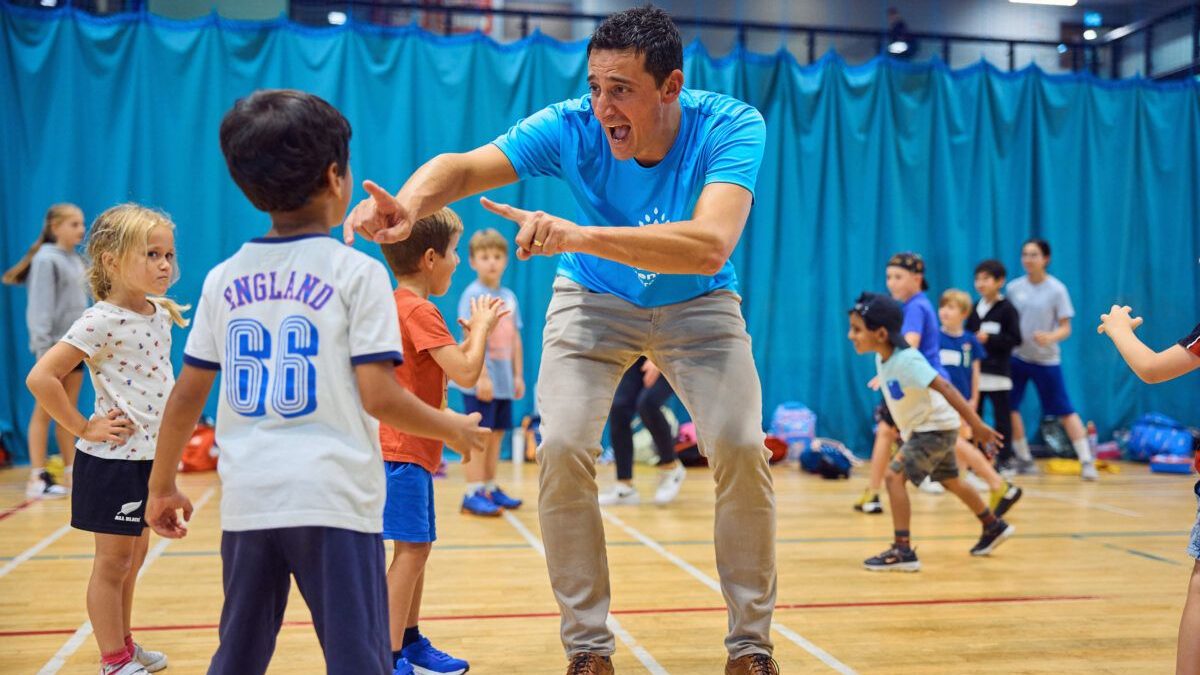
Future Fit for Business’s Children and Young People course suite was built precisely for this challenge. Developed in collaboration with Craig Jones, widely known across the sector as “the Oracle of Children’s Physical Activity” and a nationally recognised advisor to government on youth physical activity policy, the suite equips your workforce with the knowledge, confidence and safeguarding awareness to deliver genuinely age-appropriate sessions.
Our offering includes:
Together, these courses bring safeguarding, behaviour management, developmental understanding and inclusive delivery into one coherent, respected qualification pathway; one that leisure operators, schools, sports clubs and community organisations can build genuine progression routes around.
Regulatory and policy attention on children’s physical activity in the UK continues to intensify, and organisations that get ahead of this shift now stand to benefit from stronger compliance positioning, funding readiness, and a workforce that’s genuinely future-proofed.
Beyond compliance, there’s a clear commercial upside too: specialist youth provision supports family engagement, diversifies revenue streams, and strengthens retention by creating positive, trusted experiences that keep families coming back.
International Youth Day calls on “everyone” – governments, educators and businesses alike, to play a role in supporting young people and creating opportunities for them to thrive. For fitness, leisure and community organisations, there’s a clear, practical way to answer that call: ensure the people delivering youth sessions are properly trained, confidently safeguarding-aware, and equipped to build lifelong exercise habits.
With over 30 years’ experience training the health and fitness workforce, Future Fit for Business is positioned to help your organisation turn ambition into action.
This International Youth Day, don’t just mark the occasion, act on it.
Explore the Children and Young People course suite and download the full training brochure to see how expert-led, evidence-based programmes can elevate your service quality, strengthen safeguarding standards, and build the kind of leadership that drives lasting change for the young people in your care.
Sources: United Nations Department of Economic and Social Affairs (DESA), International Youth Day 2026; Sport England, Active Lives Children and Young People Survey, academic year 2024–25; Future Fit for Business.