Beyond Fitness: Key Takeaways from Elevate 2026
Elevate 2026 wrapped up on 17–18th June at ExCeL London, marking ten years of the UK's largest event for physical activity and wellbeing.
Elevate 2026 wrapped up on 17–18th June at ExCeL London, marking ten years of the UK's largest event for physical activity and wellbeing.
Elevate 2026 wrapped up on 17–18th June at ExCeL London, marking ten years of the UK’s largest event for physical activity and wellbeing.
For those who couldn’t attend, here’s a summary of what mattered most, alongside what our own in-event poll revealed about where industry professionals see the sector heading.
Across the numerous panels, talks and demonstrations across the four main stages, speakers rarely used the word “fitness” without broadening it to wellbeing, active health, performance or recovery. That shift isn’t cosmetic. It reflects where investment, research and public interest are moving. Elevate’s 10th-anniversary sessions made this point directly: the sector looks markedly different from how it did in 2016, and this year’s programme was built to reflect that.
Corporate wellbeing programmes were a recurring thread across multiple discussions throughout the event. Employers are clearly moving away from treating wellbeing as an optional benefit and toward embedding it directly into how work is structured.
That same trend is playing out across workplace wellness UK-wide. Organisations are moving past surface-level initiatives like gym discounts, and instead looking for evidence-based approaches, movement, recovery and mental health support designed into the working day itself.
A few years ago, mental health and physical activity might have warranted a single dedicated session. This year, it ran through the entire programme. The evidence base connecting movement to mental wellbeing has matured to the point where the conversation has shifted from whether it works to how it should be built into services, workplaces and communities by default.
If one phrase captured the show, it was active wellbeing. It appeared in session titles, panel introductions and informal conversation throughout. The term does something the former “fitness” label never quite managed: it treats movement, mental health, recovery, longevity and community as one connected picture rather than separate categories.
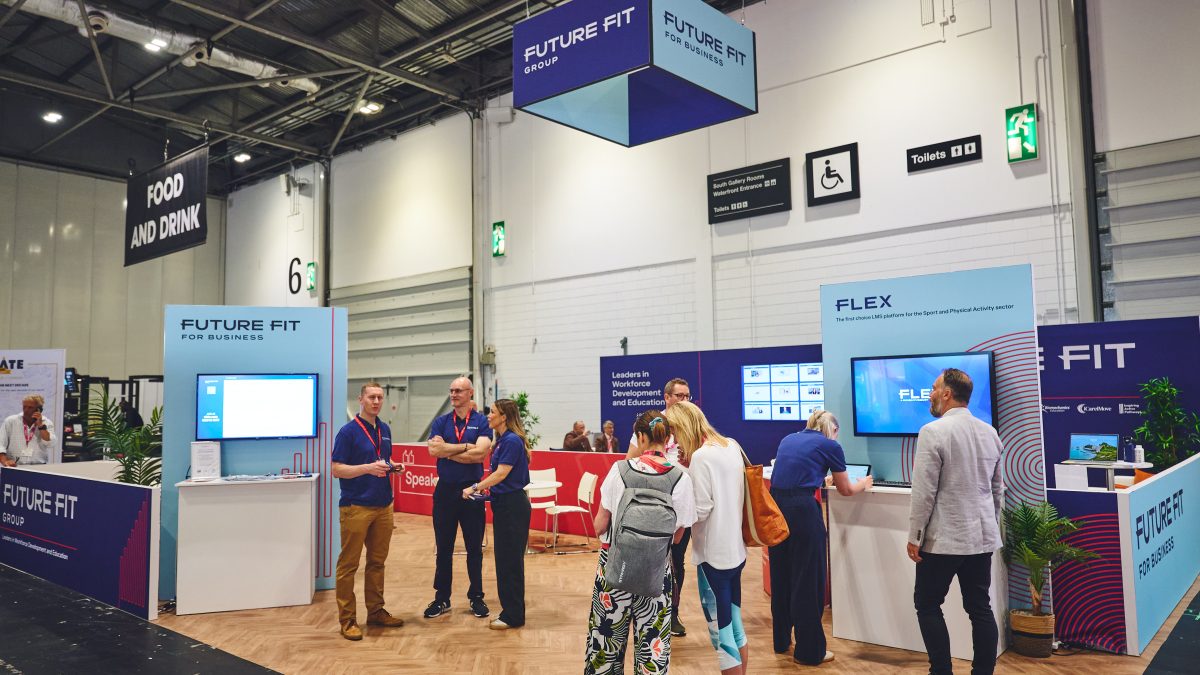
Alongside the main programme, we ran our own engagement activity, asking a simple question: what will the fitness industry look like in 2036? The responses and patterns aligned closely with what was being discussed on the show floor.
For a group of industry professionals answering independently, this is a notably consistent set of predictions, and it reinforces much of what Elevate 2026 was already signalling from the stage.
Elevate 2026 marked more than a decade of the show itself. It captured a sector in transition, moving from “fitness” toward active wellbeing as a concept that extends across daily life and, increasingly, the workplace. For anyone working in corporate wellbeing, workplace wellness or the intersection of mental health and physical activity, the message was clear: the evidence, the audience and the demand are all moving in the same direction.
We’ll be exploring several of these themes in more detail in the coming weeks. To find out more about our team’s insights, take a look here.